


National Indigenous History Month
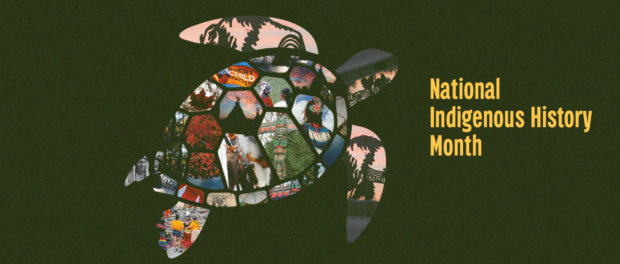
June marks National Indigenous History Month in Canada, a time to recognize, honour, and celebrate the rich histories, cultures, languages, ways of knowing and doing, and enduring contributions of First Nations, Inuit, and Métis Peoples.
As educators, we acknowledge that Indigenous Peoples have lived on and cared for these lands since time immemorial. Their resilience, wisdom, and leadership continue to shape communities, strengthen public education, and enrich our collective future.
National Indigenous History Month provides an opportunity to deepen our understanding of the truths of Canada’s history, including the ongoing impacts of colonialism, residential schools, and systemic inequities, while also celebrating the strength, diversity, and vitality of Indigenous communities, cultures, and traditions.
This month, OSSTF/FEESO encourages members to engage in meaningful learning, reflection, and action by:
- Learning about the histories, cultures, languages, and contemporary experiences of First Nations, Inuit, and Métis Peoples.
- Listening and giving space to Indigenous voices, perspectives, and stories.
- Supporting Indigenous authors, artists, educators, businesses, and community initiatives.
- Reflecting on the Calls to Action of the Truth and Reconciliation Commission of Canada and the responsibilities we share in advancing reconciliation.
- Creating opportunities within our schools, workplaces, and communities to honour Indigenous knowledge, cultures, and leadership.
National Indigenous History Month is also an invitation for each of us to reflect on our own reconciliation journey. Reconciliation is not a single act, but an ongoing commitment of learning, listening, understanding, and action. We encourage members to consider where they are on that journey and to seek opportunities to deepen their understanding of Indigenous histories, rights, perspectives, and contemporary realities.
Meaningful reconciliation requires more than awareness. It calls upon us to build respectful relationships with Indigenous Peoples and communities, to amplify Indigenous voices, and to support Indigenous-led initiatives and priorities. Solidarity is demonstrated through action—by standing alongside Indigenous communities, advocating for equity and justice, and helping create conditions where Indigenous children, youth, families, and Nations can thrive.
As educators, we have a unique responsibility and opportunity to foster understanding and respect in our classrooms, workplaces, and communities. By engaging in ongoing learning and relationship-building, we contribute to a stronger future founded on truth, respect, reciprocity, and self-determination. Supporting Indigenous communities and strengthening relationships based on mutual respect are essential steps toward meaningful reconciliation and a more equitable society for all.
June 21 marks National Indigenous Peoples Day, celebrated on the summer solstice, a time of deep cultural and spiritual significance for many Indigenous Peoples. We encourage members to participate in local events, celebrations, and learning opportunities that recognize the diverse cultures and contributions of Indigenous communities.
Throughout National Indigenous History Month, let us honour the past, celebrate the present, and commit ourselves to ongoing learning, relationship-building, and action. Together, we can contribute to a future where Indigenous rights, cultures, languages, and communities are respected, supported, and empowered for generations to come.
This month and throughout the year, we invite every member to take one additional step on their reconciliation journey—whether by reading an Indigenous author’s work, attending a community event, completing a learning module, listening to Indigenous perspectives, or building relationships with Indigenous communities. Reconciliation is strengthened through continuous learning and meaningful action. Resources can be found below.
Leave a comment